
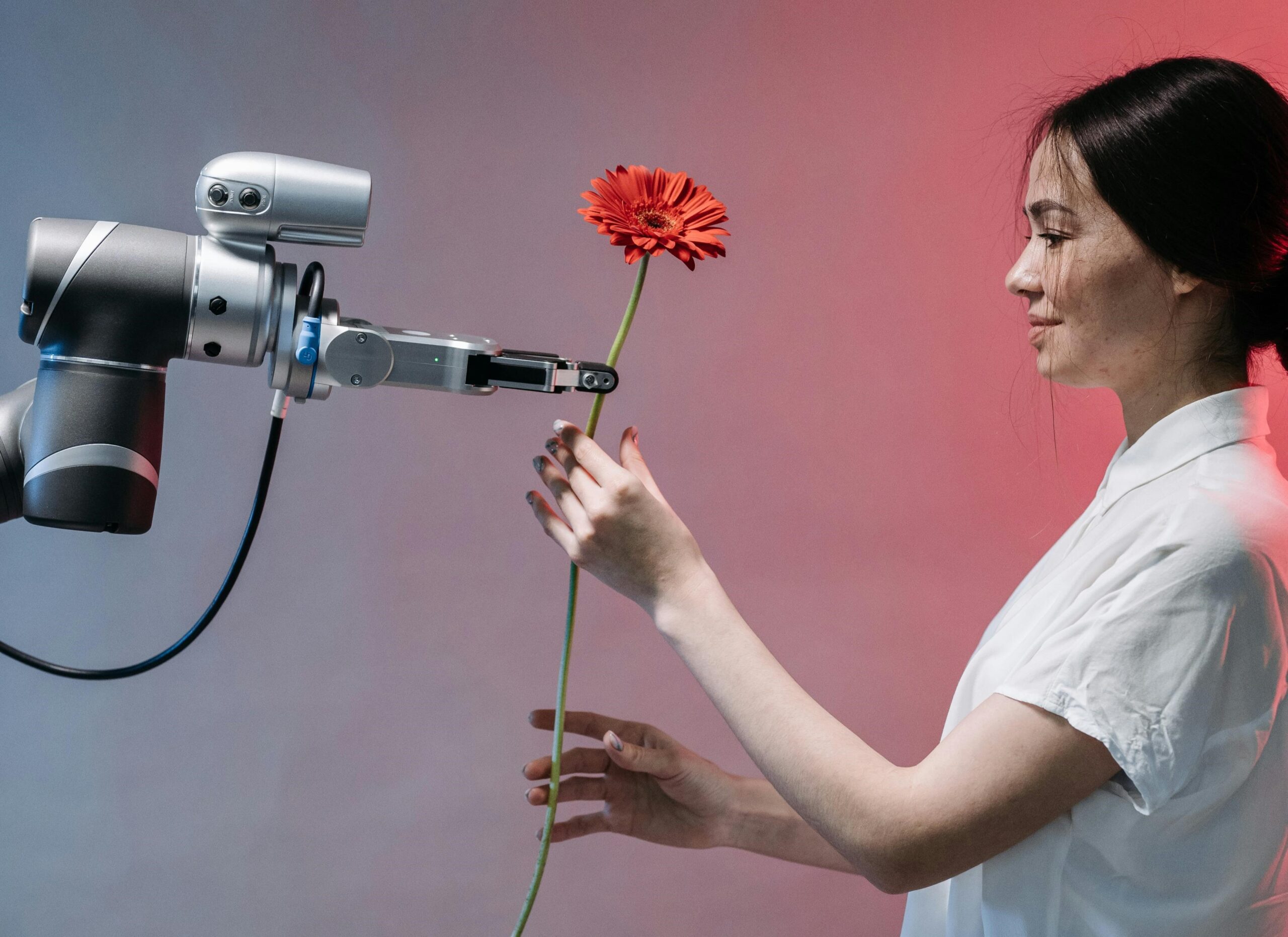
When Should AI Decide and When Should
Humans Step In?
Artificial Intelligence (AI) has become more than just a digital helper. It’s now influencing, and in some cases making, decisions that affect people, businesses and even governments.
From recruitment platforms that rank job candidates to algorithms that flag financial risks, AI is woven into everyday decision-making.
But as automation spreads, one question keeps coming back: how much control should we give to machines?
The Promise of Automated Decisions
There’s no denying the benefits. AI systems can handle vast amounts of data in seconds, detect patterns invisible to humans, and perform repetitive work with impressive consistency.
In areas like fraud detection, customer service or document review, AI can save time, reduce errors and even improve fairness by removing emotional bias.
Automation is especially powerful when decisions rely mainly on data. For instance, scanning large volumes of compliance documents for missing signatures or inconsistencies. In those cases, AI doesn’t replace human thinking; it amplifies it.
The Risk of Blind Trust
Yet automation can also create a false sense of confidence. AI doesn’t understand meaning or intention. It simply predicts what’s likely to come next based on patterns in its training data.
This means it can misinterpret context, overlook nuance, or produce results that sound correct but are wrong.
When AI makes a hiring recommendation or flags someone as “high-risk,” it may be basing that on biased historical data. For example, if past employees in leadership roles were mostly men, the model may unintentionally learn to associate leadership with male-coded language. And isn’t it true that in most cases you don’t actually know how or with what data the AI is trained?
Another pitfall lies in the source and frequency of the data the system relies on. Algorithms tend to surface information that appears most often in the training set. This means that if false or misleading content is more prevalent online than reliable facts, the AI may treat the false content as truth simply because it encountered it more frequently.
And because AI outputs are often delivered with authority and precision, people tend to overtrust them. A phenomenon known as “automation bias.”
Human Oversight Isn’t Optional
That’s why the EU AI Act places such strong emphasis on human oversight, particularly for “high-risk” applications.
Human involvement means more than just pressing ‘approve’ at the end. It requires ongoing monitoring, understanding how the system works, and being able to intervene when necessary.
Effective oversight asks three key questions:
- Can the human understand why the AI made this decision?
- Can they challenge or reverse it if something seems off?
- Is someone clearly accountable for the outcome?
If the answer to any of these is “no,” then the process isn’t compliant and more importantly, it isn’t safe.
Finding the Right Balance
Not every decision carries the same risk. The best approach is to match the level of human control to the potential impact:
- Low-risk automation: Routine tasks like document formatting, email sorting or summarising text. Here, full automation is fine, humans only need to spot-check results.
- Medium-risk automation: Tasks that affect internal processes, such as drafting contracts or writing compliance summaries. Humans should review and approve the outcomes.
- High-risk automation: Decisions with legal, financial or ethical consequences, like approving loans, hiring staff or assessing compliance violations. Humans must stay fully in charge.
This layered approach prevents overreliance on AI while still taking advantage of its strengths.
Why the Human Role Still Matters
AI is powerful at finding patterns, but it can’t yet weigh values, interpret culture, or understand fairness. It can analyse what’s possible, but only humans can decide what’s right.
In other words: AI can answer “Can we do this?”, but not “Should we?”
Human judgment brings empathy, ethics and accountability to the table. The qualities that make decision-making truly responsible.
When humans and AI work together, the results are often better than either could achieve alone: AI adds speed and scope, while people ensure meaning and moral direction.
Building Trust in AI Decisions
Trust doesn’t come from technology alone. It comes from the way people use it.
Organisations that define clear roles, document oversight steps, and train teams to question AI outputs will gain both regulatory compliance and public confidence.
This is also the challenge large tech companies face. They can choose to diminish the role of human values, reliable sources, and compliance measures to maximise short-term gains, boosting shareholder value today. But that approach risks creating AI systems that people may no longer trust in the future.
The alternative is to accept responsibility and integrate these values and obligations into the innovation process, building AI that is not only powerful but genuinely trustworthy and capable of making a meaningful difference in the long run.
Final Thought
AI can make our work faster, smarter and more accurate. But it should never make us passive.
The future belongs to organisations that know when to automate and when to stay human.
At SimplyComplai, we help organisations design responsible AI processes that balance innovation with control. We translate legal and ethical requirements into practical steps, so your teams can use AI safely, confidently and with integrity.
Want to use AI without the compliance headaches?
SimplyComplai helps you turn complex rules into clear steps, so your team can innovate safely and stay compliant.
📚 Want to learn more? Read our latest articles or check out our FAQ section.
💡 Have specific questions about AI compliance? Get in touch with us.
 EN
EN  NL
NL